
Feeling overwhelmed by the idea of switching to a plant-based fitness diet? You’re not alone. The maze of choices can make your head spin.
But what if I told you it doesn’t have to be complicated or extreme? This guide will cut through the noise and show you a simple way to fuel your fitness with plants. No strict rules.
Just practical advice from someone who gets it.
I’ve spent years diving into fitness and nutrition science, seeing what truly works for active folks. You want more energy, strength, and faster recovery, right? Who doesn’t?
That’s exactly what you’ll get here. A no-nonsense roadmap to use the power of plants for your fitness journey. Let’s make plant-focused nutrition work for you.
Plant-Powered Workouts: More Than Just Greens
So, what does ‘plant-focused’ really mean for your workouts? It’s not about tossing all your steaks and cheese. It’s more of a lifestyle choice, a way to make plants the star without kicking everything else to the curb.
Think of it like building a house. Plants are your strong foundation, while other foods (yeah, I mean meat and dairy) can add the finishing touches.
The idea is simple: add more plants to your plate. It’s not about being vegan or vegetarian. It’s about being flexible and making choices that fit your life.
Sound doable? It should. You’re not chaining yourself to a diet.
You’re just giving plants a bigger role in your meals.
Now, the fitness perks. You get reduced inflammation, which means better recovery. Ever felt sore for days after a workout?
Plants can help with that thanks to their anti-inflammatory powers. Check out the top 10 anti inflammatory foods if you’re curious. Plus, complex carbs from plants give you sustained energy.
No more mid-workout crashes. And let’s not forget about nutrient density. More vitamins and minerals per calorie?
Yes, please.
This isn’t about moral superiority. It’s a performance plan. A plant-based fitness diet is about giving your body what it needs to perform at its best.
You want to run faster, lift heavier, recover quicker? Start with plants. They’re not just rabbit food.
They’re your secret weapon. Embrace them, and watch your workouts transform. Who knew plants could pack such a punch, right?
Your Plant-Powered Macronutrient Cheat Sheet
Let’s talk protein. Everyone’s first question about a plant-based diet is always, “Where do you get your protein?” It’s simple. Think lentils, chickpeas, tofu, tempeh, edamame, and quinoa.
A fist-sized portion of lentils packs a punch, and don’t underestimate tofu’s versatility. Here’s the thing: combining different sources makes sure you get all the important amino acids. Remember, variety is key.
Mix and match these foods, and you’ll cover your bases without breaking a sweat (literally).
Now, onto carbohydrates. It’s straightforward: carbs are your workout fuel. If you’re serious about a plant-based fitness diet, focus on complex carbs.
Oats, sweet potatoes, brown rice, and whole-wheat bread aren’t just filling; they provide sustained energy. You don’t want to crash halfway through your run, right? Keep it practical: a bowl of oats in the morning or sweet potatoes for lunch.
These choices keep you going all day. Trust me, it’s not rocket science, just solid nutrition.
Fats often get a bad rap, but they’re key. Healthy fats play a big role in hormone regulation and joint health. Avocados, nuts, seeds (chia and flax), and olive oil are your best friends here.
And quality over quantity is the mantra. You don’t need to drown your salad in olive oil, just a drizzle will do.
In my experience, sticking to this cheat sheet makes a huge difference. Balancing these macronutrients keeps you energized and ready for whatever workout comes your way. Sure, it might take a bit of planning, but isn’t your health worth it?
It’s all about making smart choices that fit your lifestyle. Keep it simple, stay informed, and you’ll nail this plant-based lifestyle.
Fuel Up: Timing Meals for Peak Performance
Timing your meals right can mean the difference between a killer workout and a sluggish one. I swear by this. Let’s talk about pre-workout fuel first.
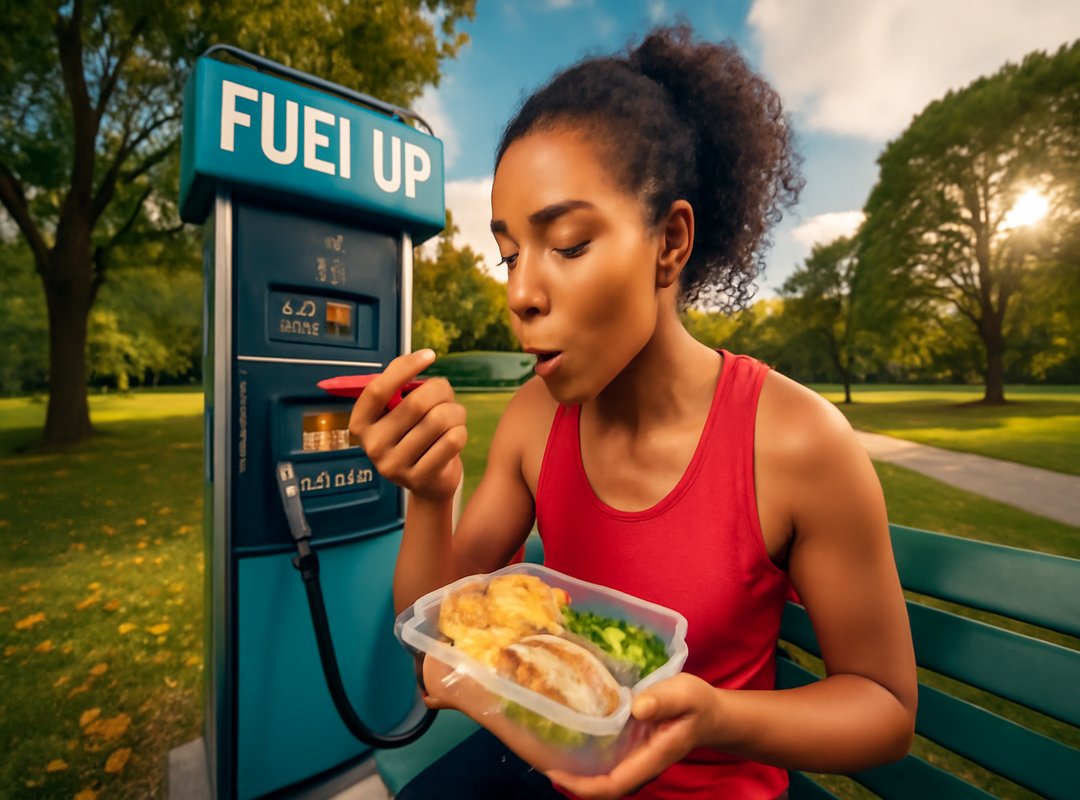
You want something that gives you a quick energy boost without weighing you down. Think of it as your ticket to a solid session. A banana with a spoonful of peanut butter an hour before you hit the gym is perfect.
If you’ve got more time, maybe 90 minutes, a small bowl of oatmeal does wonders. Easy, right? These choices are simple yet effective, and they fit perfectly into a plant-based fitness diet.
Now, onto post-workout recovery. This is where you rebuild and refuel. Your body is craving protein and carbs to repair those hardworking muscles.
A smoothie with plant-based protein powder, a banana, and some spinach? That’s gold. Or, if you prefer solid food, a bowl of black beans and brown rice works like magic.
It’s all about giving your body what it needs when it needs it.
And you might be wondering, what about hydration? It’s key, too. If you’re curious about how hydration plays into athletic performance, you can learn more.
So, what have I learned from years of trial and error? Timing matters. Don’t just eat anything anytime.
Focus on what your body needs to get the best results from your workouts. It’s about smart choices and a bit of planning. Easy enough to fit into your routine, right?
Now, go crush it.
Plant-Based Fitness Myths: Let’s Bust ‘Em
Myth 1: You can’t build muscle on a plant-based diet. Seriously? That’s outdated. Muscle growth isn’t about guzzling protein shakes made from who-knows-what. It’s about getting enough protein and calories. Yes, you can do this with plants. Ever heard of plant-based athletes? They’re out there crushing it. Think of them next time you doubt.
Myth 2: You’ll always be tired and low on energy. This one’s a scare tactic. Low energy usually means you’re not eating enough. Not that you’re skipping meat. Complex carbs are your new best friend. Quinoa, sweet potatoes, brown rice. All fuel for your day.
Doesn’t this make you rethink those misconceptions? I mean, if plant-based fitness is working for top athletes, why not for regular folks? It’s not about jumping on a trendy train.
Myth 3: It’s too complicated and expensive. Nope. Buying beans and lentils in bulk is a cost-saver. Plus, seasonal produce is cheaper and fresher. A plant-based fitness diet doesn’t have to break the bank.
It’s about a lifestyle that works. And it’s not as hard as people make it seem.
Have you tried it? If not, maybe it’s time.
Fuel Your Fitness with Plants Now
Feeling lost on how to use plants for fitness? I get it. But now, with a focus on key macronutrients and simple meal timing, you’ve got a clear path.
This approach is flexible, aids recovery, and keeps your energy steady. You don’t need a magic formula. Just start with something simple.
Why does this plant-based fitness diet work? It empowers you to fuel smarter, recover faster, and sustain energy throughout your day. You don’t need a complicated plan.
So here’s your move: choose one meal this week. Swap your post-workout snack with a plant-focused idea from this guide. Feel the difference.
Feel the energy. You’re ready to take control of your fitness.
Ready for a change? Start today. Your body will thank you.

 Elviana Vosswyn writes the kind of nutrition and recovery approaches content that people actually send to each other. Not because it's flashy or controversial, but because it's the sort of thing where you read it and immediately think of three people who need to see it. Elviana has a talent for identifying the questions that a lot of people have but haven't quite figured out how to articulate yet — and then answering them properly.
They covers a lot of ground: Nutrition and Recovery Approaches, Metabolic Conditioning Insights, Wellness Spotlight Stories, and plenty of adjacent territory that doesn't always get treated with the same seriousness. The consistency across all of it is a certain kind of respect for the reader. Elviana doesn't assume people are stupid, and they doesn't assume they know everything either. They writes for someone who is genuinely trying to figure something out — because that's usually who's actually reading. That assumption shapes everything from how they structures an explanation to how much background they includes before getting to the point.
Beyond the practical stuff, there's something in Elviana's writing that reflects a real investment in the subject — not performed enthusiasm, but the kind of sustained interest that produces insight over time. They has been paying attention to nutrition and recovery approaches long enough that they notices things a more casual observer would miss. That depth shows up in the work in ways that are hard to fake.
Elviana Vosswyn writes the kind of nutrition and recovery approaches content that people actually send to each other. Not because it's flashy or controversial, but because it's the sort of thing where you read it and immediately think of three people who need to see it. Elviana has a talent for identifying the questions that a lot of people have but haven't quite figured out how to articulate yet — and then answering them properly.
They covers a lot of ground: Nutrition and Recovery Approaches, Metabolic Conditioning Insights, Wellness Spotlight Stories, and plenty of adjacent territory that doesn't always get treated with the same seriousness. The consistency across all of it is a certain kind of respect for the reader. Elviana doesn't assume people are stupid, and they doesn't assume they know everything either. They writes for someone who is genuinely trying to figure something out — because that's usually who's actually reading. That assumption shapes everything from how they structures an explanation to how much background they includes before getting to the point.
Beyond the practical stuff, there's something in Elviana's writing that reflects a real investment in the subject — not performed enthusiasm, but the kind of sustained interest that produces insight over time. They has been paying attention to nutrition and recovery approaches long enough that they notices things a more casual observer would miss. That depth shows up in the work in ways that are hard to fake.