
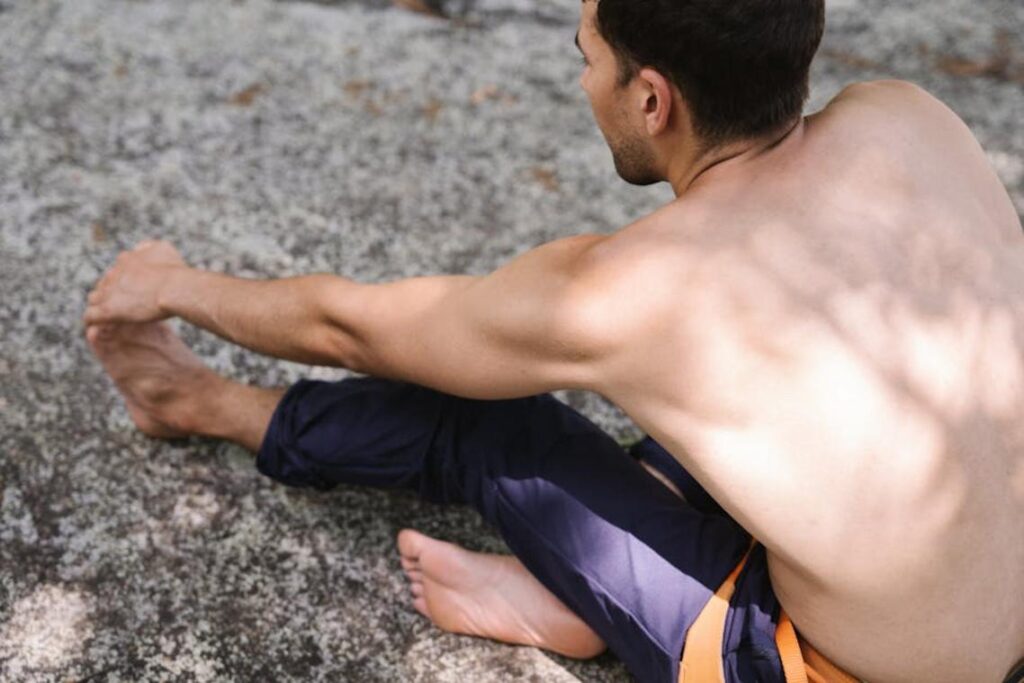
After hours at your desk, the neck strain, lower back pain, and overall stiffness can feel impossible to ignore. Sitting for prolonged periods quietly drains your energy, tightens key muscle groups, and chips away at productivity. This guide is designed to change that. Inside, you’ll find simple, effective, and discreet desk stretching exercises you can do in just five minutes—no gym clothes or extra space required. Built on proven daily wellness and recovery principles, these movements are crafted to boost circulation, ease tension, and sharpen focus. By the end, you’ll have a practical routine to counteract the toll of a sedentary workday.
The “Why” Behind the Stretch: How Sitting Impacts Your Body
Prolonged sitting doesn’t just make you stiff—it reshapes your physiology. When you sit for hours, your hip flexors shorten, your glutes weaken, and your shoulders round forward. Blood flow slows, which can reduce circulation and energy levels (a 2015 review in Exercise and Sport Sciences Reviews linked extended sitting with metabolic decline). Over time, this posture contributes to tension headaches, shoulder pain, and even wrist fatigue from compressed nerves.
Some argue, “If I work out after work, I’m covered.” Not quite. A single gym session can’t fully offset eight sedentary hours. Your body adapts to what it does most.
Think of stretching as metabolic conditioning, not a luxury. Short bouts of desk stretching exercises reactivate muscles, improve circulation, and reset posture. Just a few minutes every hour can prevent chronic strain and sharpen focus (your brain likes oxygen, too).
Pro tip: Set a timer—future you will thank you.
Upper Body Relief: Stretches for Neck, Shoulders, and Back
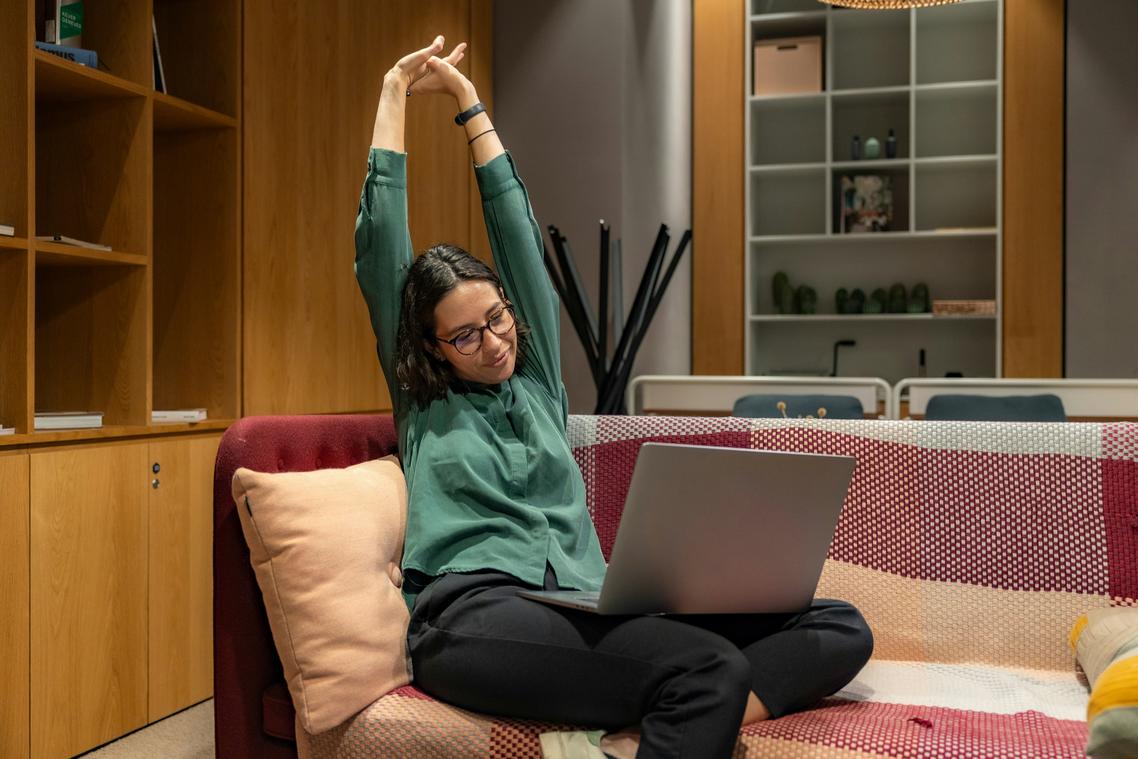
Long hours at a desk can leave your upper body feeling like it aged a decade by 3 p.m. The good news? A few simple moves can quickly restore mobility, improve circulation, and reduce nagging tension headaches. Let’s break them down.
Overhead Reach:
First, sit or stand tall. Clasp your hands together and extend your arms overhead, palms facing upward. Gently reach toward the ceiling, lengthening through your spine and shoulders. Hold for 15–20 seconds while breathing deeply. This stretch decompresses the spine (think of it as hitting the reset button on your posture) and helps counteract slouching.
Neck Tilt (Ear to Shoulder):
Next, slowly tilt your head so your right ear moves toward your right shoulder. Keep your shoulders relaxed—no shrugging. Hold for 15 seconds, then switch sides. This targets the upper trapezius muscles, which often tighten during desk stretching exercises or extended screen time. The benefit? Fewer tension headaches and improved neck mobility.
Cross-Body Shoulder Stretch:
Now bring one arm straight across your chest. Use the opposite hand to gently pull it closer to your body. Hold for 15–20 seconds, then switch arms. This stretch supports the deltoid and rotator cuff muscles—key for anyone glued to a mouse. Over time, it can enhance shoulder stability and reduce injury risk.
Seated Cat-Cow:
Finally, sit upright with hands on your knees. Inhale as you arch your back and lift your chest (Cow). Exhale as you round your spine and tuck your chin (Cat). Repeat 8–10 times. This improves mid-back mobility and boosts circulation—leaving you refreshed instead of stiff by day’s end.
Loosen Up Below Deck: Stretches for Hips and Legs
Sitting for hours tightens the hips, shortens the hamstrings, and slows circulation (your lower body basically goes into airplane mode). The fix? A few smart desk stretching exercises woven into your day.
Seated Figure-Four Stretch
First, sit tall and place your right ankle across your left knee. This position targets the glutes—the large muscles that stabilize your hips—and the outer hip rotators. Gently hinge forward from your hips while keeping your back straight until you feel a stretch. Hold for 20–30 seconds, then switch sides. If your hips feel stubborn, that’s normal; prolonged sitting is linked to hip tightness and discomfort (Mayo Clinic). My recommendation: do this mid-morning and mid-afternoon for consistency.
Hamstring Stretch (Under the Desk)
Next, extend one leg forward with your heel on the floor and toes up. Keeping your spine neutral, hinge forward at the hips. You’ll feel this along the back of your thigh. Avoid rounding your back—movement should come from the hips. Tight hamstrings can contribute to lower back strain (Harvard Health Publishing), so prioritize this one daily.
Seated Spinal Twist
Then, sit sideways in your chair and hold the backrest. Gently rotate your torso, using the chair for light leverage. This improves spinal mobility and eases lower back tension. Think of it as wringing out stiffness.
Ankle Rotations
Finally, lift one foot slightly and rotate your ankle clockwise 10 times, then counter-clockwise. This boosts circulation in the lower legs—especially helpful if you sit for long stretches (pro tip: pair this with hydration reminders).
For even better results, combine movement with smart nutrition strategies like healthy meal prep shortcuts for busy weekdays to support recovery from the inside out.
Why Your Wrists Deserve More Respect
Most people blame bad posture for tech pain, but the bigger culprit is repetition. Repetitive strain injuries (RSI) like carpal tunnel syndrome develop when tiny tissues are overworked without recovery. Contrary to popular belief, braces and painkillers are NOT long term fixes (they just mute the alarm).
Wrist Extensor Stretch: Extend one arm forward, palm down, and gently pull your fingers back with the other hand until you feel a stretch along the forearm. Hold 15 seconds.
Wrist Flexor Stretch: Flip the palm up and draw the fingers downward to target the typing muscles.
Finger Tendon Glide: Move through five positions straight, hook, tabletop, fist, and back to straight to nourish mobility.
These simple desk stretching exercises improve circulation and resilience when done daily. Pro tip: set a timer every hour (your future self will thank you). Consistency beats occasional marathon stretching sessions always.
Building Your Daily Wellness Ritual
You now have a complete, actionable plan to fight desk fatigue and support your physical well-being at work. The aches, stiffness, and low energy that come from prolonged sitting are common—but they’re not unavoidable. With the right desk stretching exercises and simple movement habits, you can take control of how your body feels each day.
The real secret is consistency. Small, intentional movements practiced daily create lasting relief and long-term benefits.
Start today by setting a reminder to do just one stretch from each section. Your body will thank you.
