
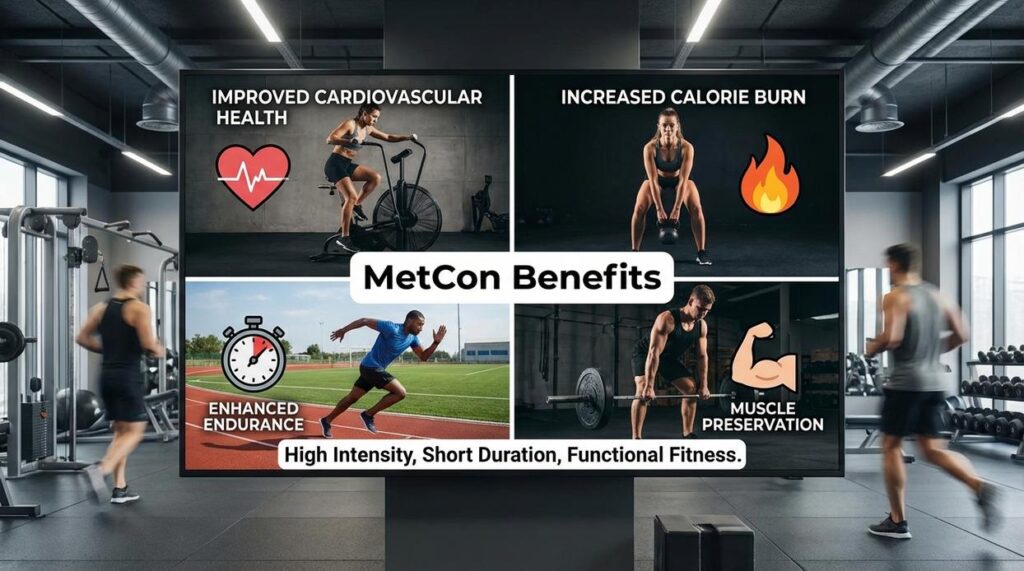
If you’ve been grinding through long cardio sessions and still feel stuck, you’re not alone. Many fitness routines plateau because they focus on time spent—not results earned. This guide cuts through the noise by breaking down metabolic conditioning into a clear, practical strategy you can start using right away. Instead of treating it like a buzzword, we explain the science behind why it accelerates fat loss, boosts endurance, and improves overall performance. Backed by evidence-based research and real-world application, you’ll learn what MetCon truly is and how to design smarter, faster, and safer workouts that actually move the needle.
What Is Metabolic Conditioning (MetCon)? Beyond the Hype
Metabolic Conditioning (MetCon) is a training method that uses structured work-to-rest intervals to challenge your body’s three primary energy systems. The goal? Maximize calorie burn during the workout and elevate post-exercise oxygen consumption (EPOC), often called the “afterburn effect.” Research published in the Journal of Strength and Conditioning Research shows high-intensity interval protocols can significantly increase post-exercise calorie expenditure compared to steady-state cardio.
The Three Energy Pathways, Simplified
Your body relies on:
- Phosphagen system: Powers short, explosive efforts (like a 10-second sprint).
- Glycolytic system: Fuels moderate bursts lasting up to two minutes.
- Oxidative system: Supports longer, endurance-based activity.
MetCon rotates intensity to train all three efficiently. Think of it as cross-training for your metabolism (yes, your cells are multitaskers).
MetCon vs. HIIT vs. Steady-State Cardio
HIIT is a form of MetCon—but MetCon is broader. Traditional steady-state cardio mainly stresses the oxidative system at lower intensity. Studies from the American College of Sports Medicine confirm interval-based training improves cardiovascular fitness faster than moderate continuous exercise.
For a deeper dive, see hiit vs steady state cardio comparing metabolic benefits.
In short, metabolic conditioning explained properly means training smarter—not just sweating harder.
The Science-Backed Benefits of MetCon Training

If you’ve ever finished a brutal workout and felt your body radiating heat hours later, you’ve experienced the start of the “afterburn effect.” Scientifically known as Excess Post-exercise Oxygen Consumption (EPOC), this is the extra oxygen your body uses to restore itself to baseline. Because high-intensity MetCon sessions disturb your normal balance (in a good way), your body must work harder post-workout—burning additional calories for up to 24–48 hours in some cases (LaForgia et al., 2006). In simple terms, you’re still torching energy long after you’ve left the gym. Not bad for a 30-minute session.
Equally important, MetCon supports hormonal health. For example, high-intensity intervals are shown to improve insulin sensitivity—your body’s ability to use blood sugar efficiently instead of storing it as fat (Gillen et al., 2012). Better insulin sensitivity means steadier energy and fewer crashes. Additionally, intense resistance circuits can stimulate growth hormone, which plays a role in muscle repair and fat metabolism. Over time, that hormonal shift can make a noticeable difference in body composition.
Beyond biology, there’s performance. MetCon improves your work capacity, meaning your ability to perform more work in less time. Think of it as upgrading your engine. Whether you’re chasing a soccer ball or carrying groceries up three flights of stairs (we’ve all been there), improved stamina and power show up in real life.
Finally, there’s efficiency. Metabolic conditioning explained simply: strategic, high-intensity circuits that blend strength and cardio. For busy schedules, it delivers measurable results without hours of training. Pro tip: prioritize proper form—intensity works best when technique comes first.
The Building Blocks of an Effective MetCon Workout
A great MetCon session isn’t random sweat—it’s strategy. When you understand the mechanics behind metabolic conditioning explained in the section once exactly as it is given, you unlock faster fat loss, stronger endurance, and serious time efficiency (goodbye, endless treadmill slogs).
Mastering Work-to-Rest Ratios
Your work-to-rest ratio determines how your body adapts.
- 1:1 ratio (30 seconds work, 30 seconds rest) builds aerobic endurance and stamina. Great for beginners.
- 2:1 ratio (40 seconds work, 20 seconds rest) increases intensity and boosts calorie burn.
- 3:1 ratio challenges advanced athletes targeting power and anaerobic capacity.
Some argue rest periods should be intuitive. Fair—but structure ensures progressive overload, a principle shown to improve performance outcomes (American Council on Exercise). Pro tip: If your form breaks down, your ratio is too aggressive.
Choosing the Right Exercises
Compound movements recruit multiple muscle groups, elevating heart rate faster and delivering more return per rep.
Top-tier MetCon exercises:
- Kettlebell swings
- Thrusters
- Burpees
- Sled pushes
- Battle ropes
These moves maximize efficiency—think “The Avengers” of exercises (each powerful alone, unstoppable together).
Popular MetCon Formats
AMRAP (As Many Rounds/Reps As Possible):
10-minute AMRAP: 10 swings, 10 burpees, 10 thrusters.
EMOM (Every Minute On The Minute):
12-minute EMOM: 12 calorie row, remaining time rest.
Traditional Circuit:
40s work / 20s rest x 4 rounds of swings, sled pushes, ropes.
Each format improves conditioning, mental grit, and calorie expenditure—benefits that compound long after your workout ends.
Many athletes think faster reps mean better results. But in reality, rushing form is the quickest path to plateaus and injuries. Instead, follow these steps:
-
Slow down each movement and master technique before adding speed. Proper alignment protects joints and builds real strength.
-
Schedule rest days. MetCon taxes your nervous system, so sleep seven to nine hours and fuel with protein and carbs. Although some argue daily sessions build grit, recovery drives adaptation.
-
Progress gradually. Start simple before advanced circuits; progressive overload prevents burnout.
For deeper insight, see metabolic conditioning explained. Small steps compound into lasting gains.
Putting Knowledge Into Action for a Stronger Metabolism
You came here searching for something better than endless, boring cardio — and now you have a clear, science-backed plan. metabolic conditioning gives you a smarter way to burn fat, boost endurance, and train with purpose by improving how efficiently your body uses energy.
The real frustration isn’t effort — it’s putting in effort without seeing results. That stops here.
Now it’s your move: choose one workout format, pick 3–4 exercises, and schedule your first session this week. Start controlled, focus on form, and stay consistent.
If you’re ready to accelerate fat loss and finally see measurable progress, commit to your first MetCon workout today and take action.
