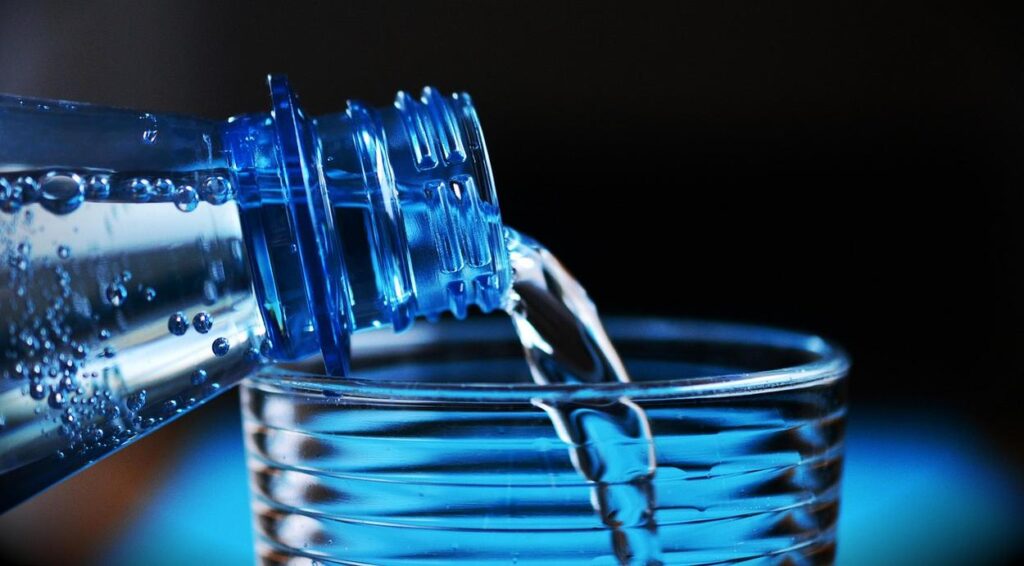
If you’re looking to improve performance, boost energy, and recover faster, understanding the role of hydration for active lifestyle is essential. Whether you’re training intensely, balancing daily workouts with a busy schedule, or simply trying to feel better throughout the day, proper hydration directly impacts your strength, endurance, focus, and overall wellness.
Many people underestimate how quickly dehydration can affect metabolism, muscle function, and recovery time. The result? Fatigue, slower progress, and avoidable setbacks. This article breaks down exactly why hydration matters, how much you really need, and practical strategies to stay consistently hydrated before, during, and after activity.
To ensure accuracy, this guide draws on established sports nutrition research and evidence-based fitness principles used by performance coaches and wellness professionals. By the end, you’ll have clear, actionable steps to optimize your hydration habits and support long-term health, energy, and resilience.
Your calendar is stacked, workouts are non‑negotiable, and water somehow becomes an afterthought. Yet even a 1–2% drop in body weight from fluid loss can impair cognitive performance and increase fatigue (Journal of Nutrition). In other words, minor dehydration quietly undercuts your edge.
So, what’s the fix? First, anchor intake to habits: 16–20 ounces upon waking, another 8–10 every hour of training, plus electrolytes containing 300–600 mg sodium per hour for long sessions. Next, use a marked bottle to track totals—visual cues drive compliance. Finally, pair meals with fluids to automate hydration for active lifestyle success under relentless daily demands.
Why the “8 Glasses a Day” Rule Fails Active People
You’ve heard it: drink eight glasses of water a day. Simple. Clean. Memorable. Also wildly incomplete.
For someone drenched in sweat after hill sprints—shirt clinging, salt stinging their eyes, shoes squelching with every step—eight glasses barely scratches the surface. Active bodies lose significant fluid through sweat, along with electrolytes (minerals like sodium and potassium that regulate muscle contractions and nerve signals). When those drop, cramps tighten like a vise and focus turns fuzzy. Even mild dehydration can impair cognitive performance and mood (Harvard Health Publishing).
Some argue the rule is “good enough.” But GOOD ENOUGH doesn’t fuel performance.
Hydration for active lifestyle demands personalization:
• Higher intensity = more fluid loss
• Hot climates = faster depletion
• Larger bodies = greater baseline needs
Start here: body weight (lbs) ÷ 2 = ounces per day. Then adjust upward for sweat, heat, and duration. Listen to your thirst—it’s your built-in alarm system.
The Proactive Hydration Playbook: Timing is Everything
If you wait until you’re thirsty, you’re already playing catch-up. Thirst is a lagging indicator—a delayed signal that your body is already low on fluids (like your phone hitting 10% before you look for a charger).
Pre-Hydration (The Morning Load)
First things first, drink 16–20 oz of water immediately after waking. Overnight, you lose fluids through breathing and sweat. This “morning load” jumpstarts circulation, digestion, and metabolic activity. For example, keep a filled bottle on your nightstand so it’s the first thing you reach for. Pro tip: add a pinch of sea salt and a squeeze of lemon to enhance absorption and flavor.
Intra-Activity Hydration (Sustain Performance)
Next, sip 6–8 oz every 15–20 minutes during workouts. Small, consistent intake prevents performance dips and reduces perceived exertion (American Council on Exercise). If your session exceeds 60 minutes, happens in heat, or leaves white salt marks on clothing, add electrolytes. Electrolytes—minerals like sodium and potassium—help regulate muscle contractions and fluid balance. Otherwise, water alone usually works fine.
Post-Activity Rehydration (Accelerate Recovery)
Finally, weigh yourself before and after intense sessions. For every pound lost, drink 16–24 oz of fluid (National Athletic Trainers’ Association). This critical recovery window supports muscle repair and cardiovascular stability. In practice, if you’re down two pounds, aim for 32–48 oz over the next few hours.
Mastering hydration for active lifestyle goals isn’t complicated—it’s intentional. Plan it, time it, and your body will respond accordingly.
Wellness Hacks: Integrating Hydration into a Hectic Schedule
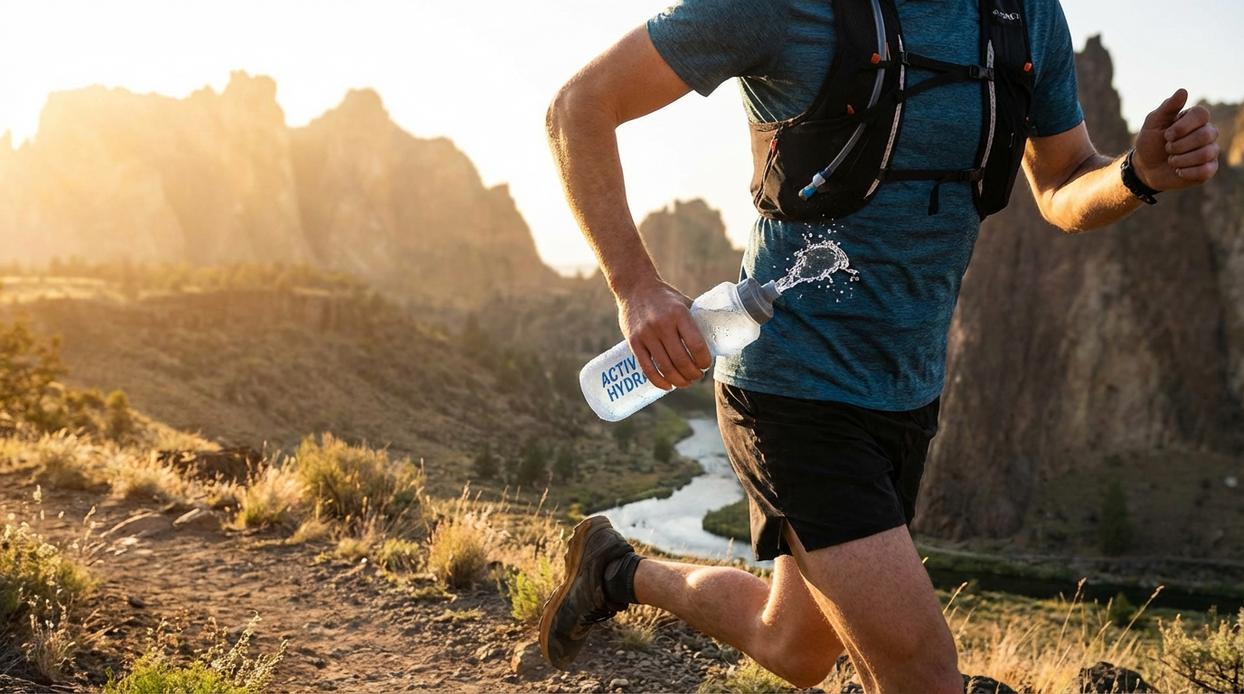
Back in 2023, after tracking my own water intake for 30 days, I realized something surprising: I wasn’t too busy to hydrate—I just hadn’t built it into my routine. That’s where habit stacking comes in. Habit stacking means attaching a new behavior to an existing one. For example, drink a full glass of water after every bathroom break, before every meal, or while waiting for your coffee to brew. (Yes, even during that painfully slow espresso drip.) Over time, the cue triggers the action automatically.
Some argue you should just “drink when you’re thirsty.” While thirst is a biological signal, research shows it can lag behind actual fluid needs, especially for active individuals (National Academies of Sciences, 2019). If you’re focused on hydration for active lifestyle performance, waiting may already put you behind.
Next, optimize your environment. Keep a large, clearly marked water bottle on your desk at all times and prep tomorrow’s bottle the night before. Make the healthy choice the easy choice. (Pro tip: bottles with time markers subtly nudge you to sip consistently.)
You can also hydrate through food. Cucumbers, watermelon, celery, strawberries, and broth-based soups are over 90% water. These pair especially well with meals featuring anti inflammatory foods that support muscle repair, since proper hydration helps nutrient transport.
Finally, upgrade your water. Add lemon, mint, or sliced fruit for natural flavor. If plain water feels boring, think of it as the base track—flavor is just the remix (hydration, but make it interesting).
Listen to Your Body: Early Warning Signs of Dehydration
Most people wait until they’re thirsty to drink water. However, thirst is actually a late-stage signal—by the time it kicks in, mild dehydration has already begun (National Academies of Sciences, 2019).
The Urine Color Test
First, check your urine. Pale straw or light lemonade color? You’re well hydrated. Apple juice or darker? That’s your cue to drink up. It’s simple, visual, and far more reliable than guessing.
Subtle Physical & Cognitive Cues
Beyond that, watch for unexpected fatigue, irritability, headaches, dizziness, and even sugar cravings. Yes, sugar cravings—your body sometimes confuses low fluid levels with low energy (sneaky, right?).
Some argue these symptoms could mean anything. True. But when several show up together, dehydration is often the common denominator.
The Skin Turgor Test
Lightly pinch the skin on the back of your hand. If it snaps back quickly, you’re likely fine. If it lingers, you may need fluids.
Pro tip: consistent hydration for active lifestyle performance starts before symptoms appear—not after.
You’ve seen the difference: forcing yourself to chug water all day (Option A) vs. building a system that runs in the background (Option B). One feels like a chore; the other feels automatic. Optimal hydration isn’t about willpower—it’s about design.
A busy, active life will always compete with your hydration goals. Meetings, workouts, errands—they crowd it out. That’s why hydration for active lifestyle has to be proactive.
Morning Load vs. “I’ll drink later.” Habit stacking vs. random reminders. Listening to subtle thirst cues vs. waiting until you’re drained.
Pick one strategy and commit for seven days. Test it. Feel the energy shift. Then decide which approach actually works.
Stay Consistent, Stay Energized, Stay Strong
You came here because you want more energy, better performance, and a recovery routine that actually supports your goals. Now you understand how small, intentional habits—from smart fueling to recovery strategies—work together to improve your hydration for active lifestyle and overall wellness.
The real challenge isn’t knowing what to do. It’s staying consistent when life gets busy, workouts get tough, and motivation dips. Dehydration, fatigue, and slow recovery can quietly hold you back from the progress you deserve.
Your next step is simple: put what you’ve learned into action today. Start tracking your water intake, fuel your body with purpose, and prioritize recovery as seriously as your workouts. If you’re ready for structured guidance, proven wellness strategies, and trusted fitness insights relied on by thousands of health-focused readers, explore our latest resources now and take control of your performance.
Your body performs at its best when you support it daily. Start today—and feel the difference tomorrow.
