
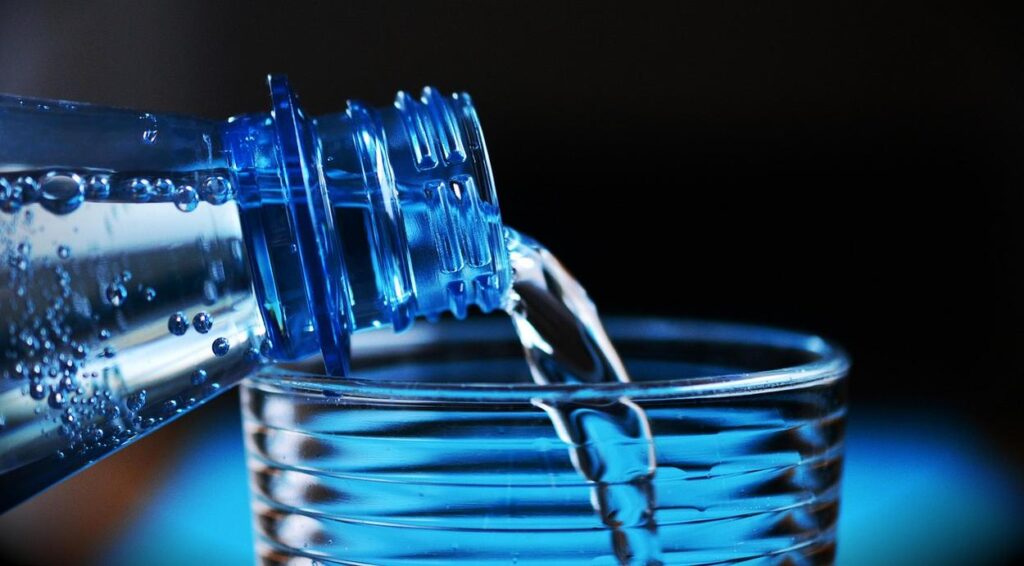
What to Drink: Decoding Sports Drinks, Electrolyte Mixes, and Water
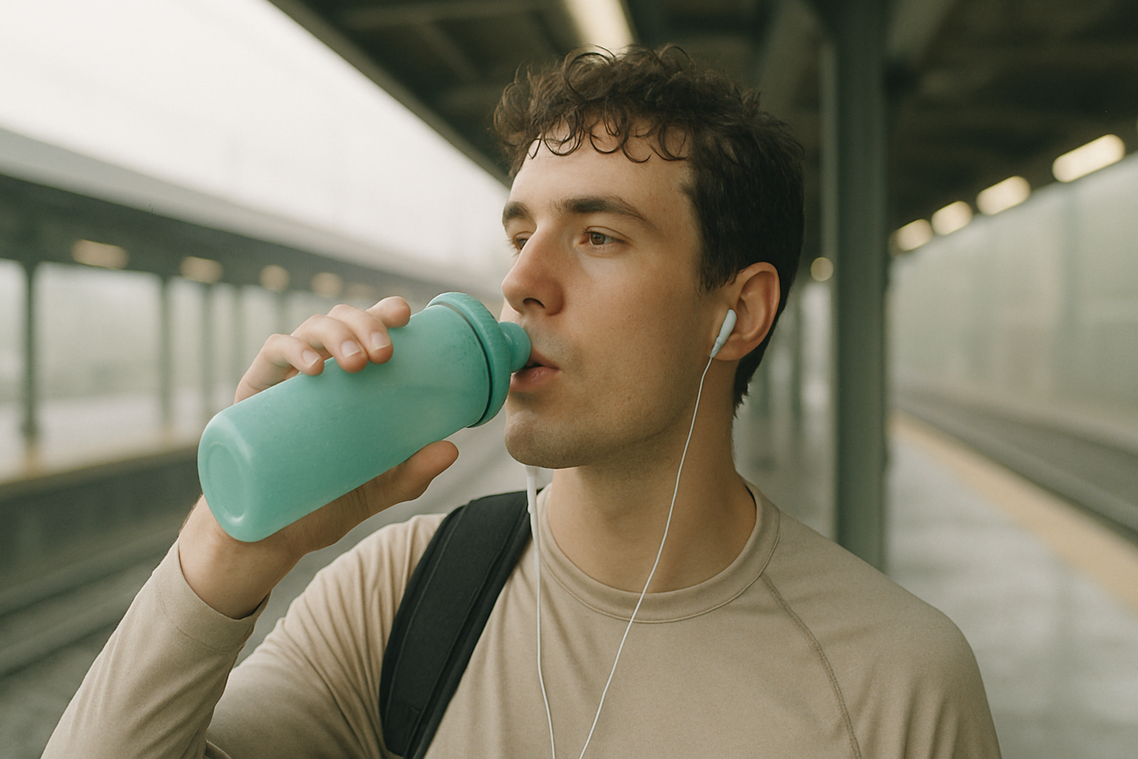
Let’s start simple.
If your workout is under 60 minutes and relatively low intensity—think steady cycling, light gym work, or a yoga flow—plain water is usually enough. According to the American College of Sports Medicine (ACSM), water adequately replaces fluid losses for exercise lasting less than an hour in moderate conditions. In other words, you don’t need a neon-colored beverage for a brisk treadmill walk (despite what the ads suggest).
However, once intensity or duration increases, things change.
The Role of Electrolytes
Electrolytes are minerals that carry an electric charge. The big three lost in sweat are sodium, potassium, and magnesium. Sodium helps regulate fluid balance and blood pressure. Potassium supports muscle contractions. Magnesium assists with nerve signaling and energy production.
Lose too much, and you may experience cramps, fatigue, or that foggy “why do my legs hate me?” feeling mid-run. During prolonged exercise, replacing sodium in particular helps maintain fluid balance and reduces the risk of hyponatremia (a dangerous dilution of blood sodium levels), according to the CDC.
The Need for Carbohydrates
For endurance efforts—long runs, cycling sessions, competitive matches—carbohydrates matter. They provide quick fuel, spare muscle glycogen (stored energy in muscle), and delay fatigue. Sports drinks typically contain 6–8% carbohydrate, a range shown to optimize absorption without upsetting your stomach (ACSM guidelines).
Think of it like switching from battery saver mode to full power during the final act of a Marvel movie.
A Simple Selection Guide
- Under 60 minutes, low intensity: Water
- 60+ minutes, moderate intensity: Electrolyte mix
- 90+ minutes, high intensity/endurance: Carbohydrate-electrolyte drink
Of course, nutrition matters too. Pair smart hydration with foods like those in anti inflammatory foods that support muscle recovery to enhance recovery.
Pro tip: Weigh yourself before and after long sessions. Every pound lost equals roughly 16–24 oz of fluid to replace.
Ultimately, hydration for athletes isn’t about hype—it’s about matching your drink to your demand.

 Arlanicol Horstmans is the kind of writer who genuinely cannot publish something without checking it twice. Maybe three times. They came to nutrition and recovery approaches through years of hands-on work rather than theory, which means the things they writes about — Nutrition and Recovery Approaches, Pro Perspectives, Metabolic Conditioning Insights, among other areas — are things they has actually tested, questioned, and revised opinions on more than once.
That shows in the work. Arlanicol's pieces tend to go a level deeper than most. Not in a way that becomes unreadable, but in a way that makes you realize you'd been missing something important. They has a habit of finding the detail that everybody else glosses over and making it the center of the story — which sounds simple, but takes a rare combination of curiosity and patience to pull off consistently. The writing never feels rushed. It feels like someone who sat with the subject long enough to actually understand it.
Outside of specific topics, what Arlanicol cares about most is whether the reader walks away with something useful. Not impressed. Not entertained. Useful. That's a harder bar to clear than it sounds, and they clears it more often than not — which is why readers tend to remember Arlanicol's articles long after they've forgotten the headline.
Arlanicol Horstmans is the kind of writer who genuinely cannot publish something without checking it twice. Maybe three times. They came to nutrition and recovery approaches through years of hands-on work rather than theory, which means the things they writes about — Nutrition and Recovery Approaches, Pro Perspectives, Metabolic Conditioning Insights, among other areas — are things they has actually tested, questioned, and revised opinions on more than once.
That shows in the work. Arlanicol's pieces tend to go a level deeper than most. Not in a way that becomes unreadable, but in a way that makes you realize you'd been missing something important. They has a habit of finding the detail that everybody else glosses over and making it the center of the story — which sounds simple, but takes a rare combination of curiosity and patience to pull off consistently. The writing never feels rushed. It feels like someone who sat with the subject long enough to actually understand it.
Outside of specific topics, what Arlanicol cares about most is whether the reader walks away with something useful. Not impressed. Not entertained. Useful. That's a harder bar to clear than it sounds, and they clears it more often than not — which is why readers tend to remember Arlanicol's articles long after they've forgotten the headline.