Ever feel like getting fit is just too much? Gym memberships, fancy equipment, and no time. It’s a recipe for frustration.
I know because I’ve been there, struggling to find a way to make fitness stick. That’s why I’ve crafted this guide on bodyweight training home. No equipment, no fuss.
Just effective moves you can do anywhere.
You want something that works, right? I’ve spent years perfecting simple, sustainable fitness strategies focused on foundational movements. Real-world results, no gimmicks.
Trust me, this isn’t just another empty promise.
You’ll get a clear, step-by-step plan you can start today. Build strength, improve health, and transform your body using only what you already have. Ready to make a change without the overwhelm?
This is your ticket.
Your Body: The Ultimate Gym
Forget the myth that you need fancy machines for a killer workout. You don’t. Your body is the only gym you’ll ever need.
Progressive overload isn’t just for weight lifters. It’s about pushing your limits, even with just your bodyweight.
Why bother with bodyweight training at home? For starters, it’s cost-effective. You don’t need to fork out money for pricey equipment.
Plus, it’s convenient. You can do it anywhere (your) living room, a park, even your office (if you’re bold). And let’s talk functional strength.
This isn’t just about looking good. It’s about moving better in daily life. Think of it as teaching your body to be its own all-in-one machine.
The science? Simple. Bodyweight exercises are great for building muscle and improving metabolic health.
They engage multiple muscle groups, enhancing coordination and balance. Want more intensity? Try maximize results with HIIT workouts.
It’s a game-changer.
You already have the most solid fitness tool: your body. So why not use it? Don’t let anyone tell you otherwise.
You don’t need a gym membership to get fit. Just start moving. Your body will thank you.
Mastering The 5 Moves: Get Fit Anywhere
Why waste time on countless exercises when you can focus on just five? Seriously, mastering a few key movements is the way to go. It’s fast and effective.
Forget the endless list of flashy workouts you see online. Here’s my take on the foundation of bodyweight training home routines: focus on what works.
- Squats: Stand with feet shoulder-width apart. Keep your chest up and sit back like you’re on an invisible chair. Don’t let your knees cave inward.
I see this mistake all the time, and it messes up your form. Pro tip: Can’t go deep? That’s okay.
Just lower as far as comfortable and gradually build up.
- Push-Ups: Start with your body flat, hands under shoulders. Lower yourself slowly. Can’t do a full push-up yet?
Start on your knees or use a wall. These modifications help you gain strength progressively. It’s all about the journey.
- Lunges: Step forward with one leg and lower your hips until both knees are bent at about 90 degrees. Watch out for wobbly knees. They’re a dead giveaway of poor form.
Keep your core engaged for balance.
- Planks: Lie face down then lift yourself on forearms and toes. Keep your body straight like a plank (hence the name). Don’t drop your hips or lift your butt too high.
It’s only effective if you’re rigid.
- Glute Bridges: Lie on your back, bend knees, and push hips up. Squeeze your glutes at the top. Don’t just thrust up; control the movement.
These basics lay the groundwork for any solid home workout. If you want more intensity or variety, you can check some of the best bodyweight exercises. There’s a whole world of training awaiting you.
It’s about power and precision.
Get these right and you’re set.
The 4-Week Foundational Bodyweight Program: Your Path to Strength
Let’s get straight to the point. You want to get stronger at home? This program is for you.
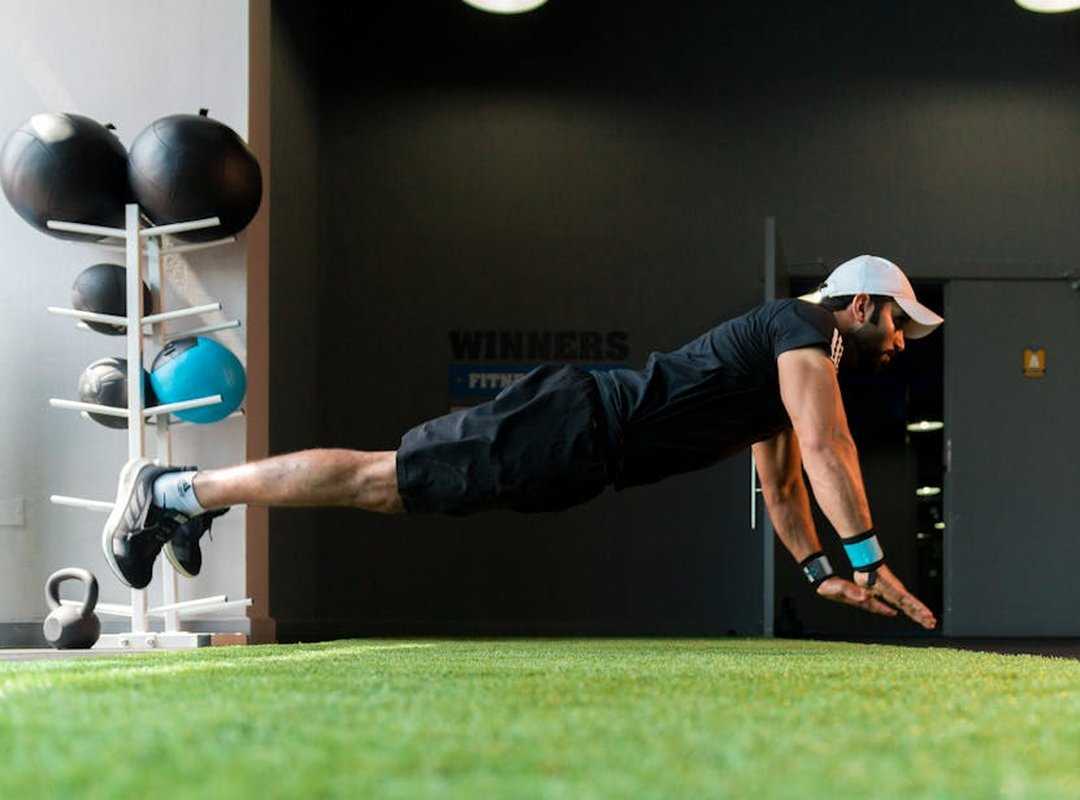
No fancy equipment, just your body and some grit. It’s structured, it’s clear, and it’s all you need for the next month.
Here’s how it works: each week you’ll follow a set schedule that balances strength and recovery.
- Day 1: Full Body Strength A
- Day 2: Rest
- Day 3: Full Body Strength B
- Day 4: Rest
- Day 5: Full Body Strength A
- Day 6 & 7: Active Recovery/Rest
Let’s break down Full Body Strength A. It’s simple but not easy (there’s a difference). You’ll do 3 sets of 10-12 squats, push-ups, and lunges.
Add in some planks (hold as long as you can) to fire up your core. Feel those muscles working? Good.
That’s the point.
Full Body Strength B? Different moves, same intensity. Start with 3 sets of 10-12 burpees, tricep dips, and mountain climbers.
Throw in some bicycle crunches for good measure. It’s tough, but you’ll thank me later.
Warm-ups and cool-downs matter too, even if they feel like an annoying extra step. Take 5 minutes to warm up. Start with jumping jacks to get the blood pumping, and toss in some arm circles to loosen up your shoulders.
Then, after your workout, cool down with some stretches. Focus on your legs, chest, and back to prevent soreness.
Why does this program work? It builds the foundation of strength, which is key for any fitness journey. Speaking of building strength, don’t forget to check out the science of progressive overload training.
It’s key for understanding how to continue improving over time.
Pro tip: Stay consistent. Missing a day isn’t the end of the world, but make sure you don’t turn it into a habit. Consistency beats perfection every time, and that’s what makes this bodyweight training home program effective.
So, ready to transform? Let’s do this. It’s four weeks.
It’s your body. And it’s the change you’re looking for.
Keep Progressing: Avoid Injuries, Stay Strong
So you’re wondering, “What do I do when it gets too easy?” It’s a good problem to have. But don’t just pile on the weights. Progressive overload is your friend.
It’s about gradually increasing your workout’s intensity. You can do this without adding a single dumbbell.
Try increasing your reps or sets. More isn’t always better, but sometimes it is. Or decrease your rest time.
Less time to catch your breath means more work for your muscles (and your mind).
Another way? Move to harder versions of exercises. Swap knee push-ups for full push-ups.
Your body will thank you in the long run.
But here’s the thing: listen to your body. Muscle soreness is normal. Pain isn’t.
It’s key to know the difference.
Injuries can derail your progress faster than you can say “bodyweight training home.” Pro tip: if it hurts, stop. Consistency beats intensity every time. Staying injury-free means you can keep pushing those limits.
You want to train for the long haul, not crash and burn. Keep it smart. Keep it safe.
Ready, Set, Transform
You’re not stuck anymore. You have the complete guide to bodyweight training home right at your fingertips. It’s simple, no equipment needed, and breaks down every barrier to getting fit.
Remember that feeling of not knowing where to start? That’s gone.
You can’t just read this plan (you’ve) got to act. Pick a start date today. Do the first workout.
It’s time to kick off your fitness journey and change your life. You’ve got the tools, now make the leap. Ready to see results?
Dive in, and don’t look back. You’ve got this.

 Arlanicol Horstmans is the kind of writer who genuinely cannot publish something without checking it twice. Maybe three times. They came to nutrition and recovery approaches through years of hands-on work rather than theory, which means the things they writes about — Nutrition and Recovery Approaches, Pro Perspectives, Metabolic Conditioning Insights, among other areas — are things they has actually tested, questioned, and revised opinions on more than once.
That shows in the work. Arlanicol's pieces tend to go a level deeper than most. Not in a way that becomes unreadable, but in a way that makes you realize you'd been missing something important. They has a habit of finding the detail that everybody else glosses over and making it the center of the story — which sounds simple, but takes a rare combination of curiosity and patience to pull off consistently. The writing never feels rushed. It feels like someone who sat with the subject long enough to actually understand it.
Outside of specific topics, what Arlanicol cares about most is whether the reader walks away with something useful. Not impressed. Not entertained. Useful. That's a harder bar to clear than it sounds, and they clears it more often than not — which is why readers tend to remember Arlanicol's articles long after they've forgotten the headline.
Arlanicol Horstmans is the kind of writer who genuinely cannot publish something without checking it twice. Maybe three times. They came to nutrition and recovery approaches through years of hands-on work rather than theory, which means the things they writes about — Nutrition and Recovery Approaches, Pro Perspectives, Metabolic Conditioning Insights, among other areas — are things they has actually tested, questioned, and revised opinions on more than once.
That shows in the work. Arlanicol's pieces tend to go a level deeper than most. Not in a way that becomes unreadable, but in a way that makes you realize you'd been missing something important. They has a habit of finding the detail that everybody else glosses over and making it the center of the story — which sounds simple, but takes a rare combination of curiosity and patience to pull off consistently. The writing never feels rushed. It feels like someone who sat with the subject long enough to actually understand it.
Outside of specific topics, what Arlanicol cares about most is whether the reader walks away with something useful. Not impressed. Not entertained. Useful. That's a harder bar to clear than it sounds, and they clears it more often than not — which is why readers tend to remember Arlanicol's articles long after they've forgotten the headline.