
Ever feel sluggish, achy, or just off? Maybe it’s inflammation. You’re not alone in thinking that.
This guide is here to help with a anti-inflammatory foods list. We’re diving into well-researched nutritional principles (not fads) to tackle inflammation. Why is that important?
Because what you eat can seriously impact how you feel.
Does diet really work? You bet it does. You’ll walk away with a practical shopping list and a solid understanding of how your plate can change your life.
Ready to feel better? Let’s get started. You’ll see how easy managing inflammation with food can be.
Inflammation: Friend or Foe?
Inflammation’s like a double-edged sword. It’s your body’s natural defense mechanism kicking in to protect you (think about healing a cut). But when it sticks around too long, it turns into chronic inflammation, which nobody wants.
So, what’s the deal with your diet? It matters because what you eat can either fuel this fire or help put it out. Some foods are basically asking for trouble, while others can keep chronic inflammation at bay.
Have you ever looked at an anti-inflammatory foods list and wondered why it’s so key?
Your diet directly impacts inflammation levels. Foods high in sugars and refined carbs often stir things up. On the flip side, incorporating foods like leafy greens and fatty fish can calm the storm.
While you’re at it, consider researching whether supplements important or overhyped, as they can play a role in managing inflammation too. So, what will you choose to fuel your body with?
The Heavy Hitters: Powerhouse Anti-Inflammatory Foods
Let’s cut to the chase. Here’s the must-have list to kickstart your journey into anti-inflammatory eating. These foods pack a punch and should be on your radar.
First up, fatty fish. Think salmon and mackerel. They’re loaded with omega-3 fatty acids like EPA and DHA.
These are the good fats that help reduce inflammation in the body. It’s like having a natural defense system. They also support brain health, and who doesn’t want a sharper mind?
Next, berries. Blueberries and strawberries, to be specific. They’re rich in antioxidants called anthocyanins.
They fight inflammation and help your body fend off diseases. Plus, they’re delicious. It’s like eating candy, but without the guilt.
A handful a day keeps the doctor away (or at least that’s the goal).
Leafy greens are another big player. Spinach and kale are loaded with vitamins and antioxidants. They’re dense in nutrients, which means they deliver a lot of benefits with every bite.
Eating these greens is like giving your body a full-service tune-up. They even help improve bone health.
Now, let’s talk turmeric. It’s not just a spice; it’s a powerhouse. The active compound, curcumin, has serious anti-inflammatory properties.
But here’s the trick: pair it with black pepper. This combo helps your body absorb it better. So it’s not just about sprinkling turmeric on your food, it’s about making it work for you.
Finally, nuts and seeds. Walnuts, almonds, flaxseeds. You name it.
They’re filled with healthy fats that combat inflammation. Snacking on these is a smart choice. Plus, they’re versatile.
You can add them to salads, oatmeal, or just munch on them directly. They’re a staple in any anti-inflammatory foods list.
There you have it. These foods aren’t just trendy; they’re effective. They’re your go-to for battling inflammation.
Whether you’re new to this or a seasoned pro, these are the essentials. Start here and feel the difference.
Expand Your Plate: Fruits and Veggies to Try Now
Bored by your current anti-inflammatory foods list? Let’s shake things up.
First up, broccoli. Not just a little green tree. It’s packed with sulforaphane, a compound that’s got your back against inflammation.
I love it roasted. You should give it a try, too.
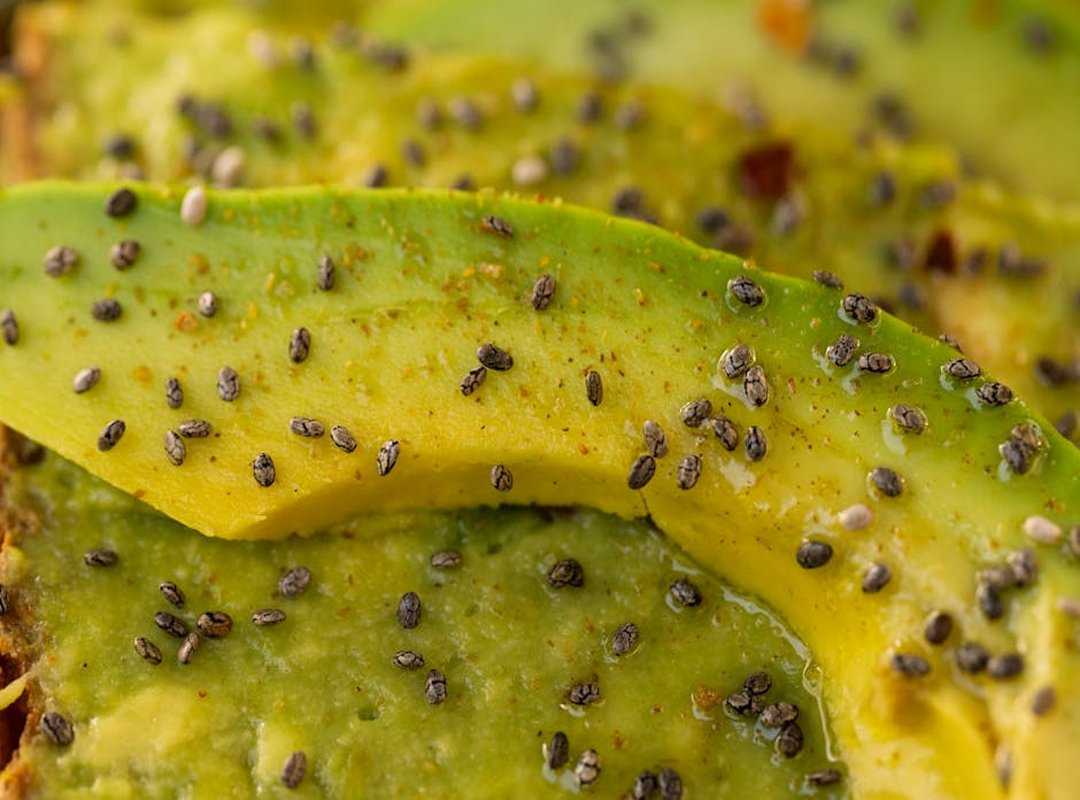
Now, avocados. They’re not just for millennials and their toast obsessions. These fruit are loaded with potassium and magnesium, plus those healthy monounsaturated fats everyone keeps talking about.
I say, add a few slices here and there. Your body (and taste buds) will thank you.
On to tomatoes. Ever wondered why Italian food feels so comforting? It’s the cooked tomatoes rich in lycopene.
That antioxidant works wonders when you turn up the heat. Seriously, your pasta sauce is a health boost.
Can’t forget cherries. They’re not just for pies. Packed with antioxidants and anti-inflammatory compounds, they’re a sweet, tart addition you need.
I snack on them while binge-watching old sitcoms. And feel zero guilt.
Grapes, especially the darker ones, bring resveratrol into the picture. This compound helps combat inflammation like a pro. Perfect for those who love munching while daydreaming about wine country.
If you’re into a plant-based lifestyle, you’ll want to explore more with plant based diet fitness enthusiasts. It’s all about keeping things fresh and exciting. Remember, expanding your plate isn’t just a suggestion.
It’s a delicious journey to better health. So, are you in?
Don’t Forget Healthy Fats & Spices
to the world of fats and flavorings. They’re not just add-ons; they’re important players in our diet. Take olive oil, for instance.
Specifically, extra virgin olive oil. It contains oleocanthal, a compound that acts like ibuprofen (but don’t ditch your meds just yet). This makes it a great choice for anyone looking to tame inflammation.
Now, let’s talk about green tea. You might already know it’s a super drink, but it’s the polyphenols, especially EGCG, that give it its kick. They’re like tiny warriors fighting inflammation.
And who doesn’t love a good cup of tea?
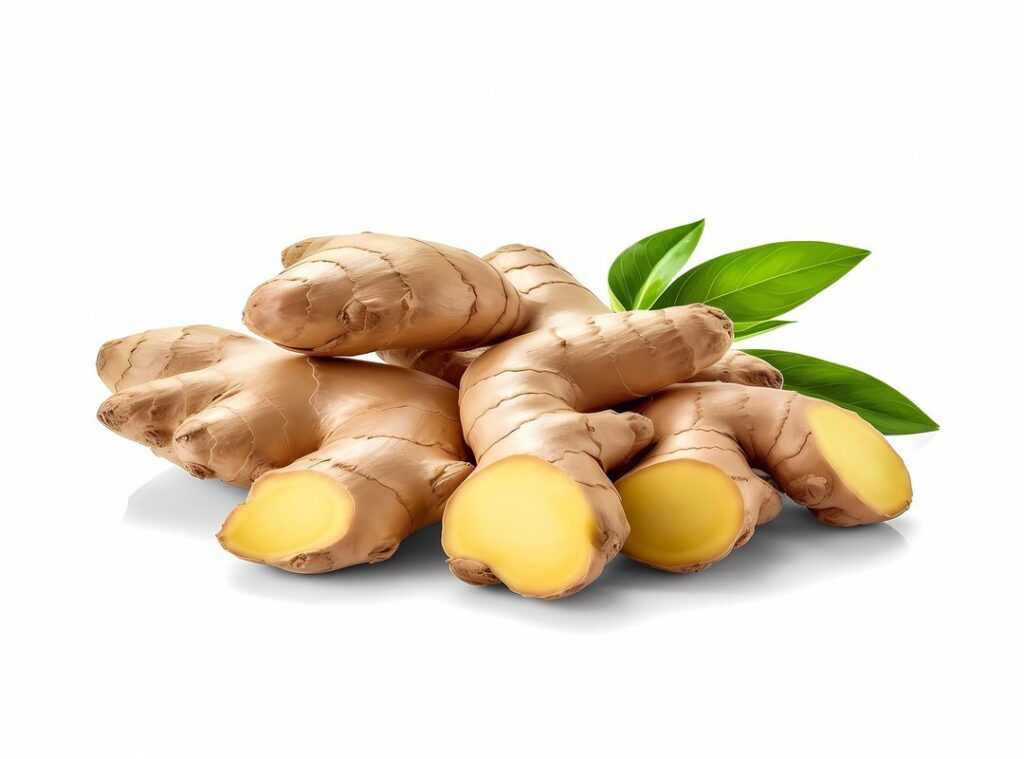
Ginger and garlic deserve a spotlight too. These two have been around in traditional medicine for centuries. Ginger has gingerols, while garlic packs allicin (both) known for their anti-inflammatory powers.
Ever wonder why your grandma swore by ginger tea when you were sick? Now you know.
And here’s a fun one: dark chocolate. Yes, you heard me. Dark chocolate and cocoa are rich in flavanols, which are great for your heart and mood.
Who said eating healthy has to be boring?
If you’re crafting an anti-inflammatory foods list, these ingredients should definitely make the cut. They add flavor and health benefits to your meals, making the journey to wellness a tad bit tastier. So, are you ready to spice things up?
Your taste buds (and your body) will thank you.
What a Day of Anti-Inflammatory Eating Looks Like
You want to start your day right? Dive into a bowl of oatmeal with berries and a sprinkle of flaxseeds. It’s a breakfast that feels like a warm hug and keeps those inflammation levels in check.
By lunch, a big spinach salad with grilled salmon, avocado, and olive oil vinaigrette is your best friend. (Who knew being healthy could be this delicious?) For a snack, grab a handful of almonds and a piece of dark chocolate. Dinner’s got to be chicken and broccoli stir-fry. Toss in turmeric, ginger, and garlic.
Your anti-inflammatory foods list never tasted this good.
Eat Your Way to Relief
Feeling swamped by chronic inflammation? Just chill. Whole foods are your new best friend.
Seriously. Load up on colorful fruits, veggies, healthy fats, and spices. You’ve got a solid anti-inflammatory foods list now, so head to the grocery store.
Pick three or four items. Put them in your cart. Try them this week.
Why wait? You can start feeling better with your next meal. Trust me, simple changes make a real difference.
Ready for the challenge? Go ahead, dive into this new eating habit. Your body (and mind) will thank you.
Start today and see the change tomorrow.

 Elviana Vosswyn writes the kind of nutrition and recovery approaches content that people actually send to each other. Not because it's flashy or controversial, but because it's the sort of thing where you read it and immediately think of three people who need to see it. Elviana has a talent for identifying the questions that a lot of people have but haven't quite figured out how to articulate yet — and then answering them properly.
They covers a lot of ground: Nutrition and Recovery Approaches, Metabolic Conditioning Insights, Wellness Spotlight Stories, and plenty of adjacent territory that doesn't always get treated with the same seriousness. The consistency across all of it is a certain kind of respect for the reader. Elviana doesn't assume people are stupid, and they doesn't assume they know everything either. They writes for someone who is genuinely trying to figure something out — because that's usually who's actually reading. That assumption shapes everything from how they structures an explanation to how much background they includes before getting to the point.
Beyond the practical stuff, there's something in Elviana's writing that reflects a real investment in the subject — not performed enthusiasm, but the kind of sustained interest that produces insight over time. They has been paying attention to nutrition and recovery approaches long enough that they notices things a more casual observer would miss. That depth shows up in the work in ways that are hard to fake.
Elviana Vosswyn writes the kind of nutrition and recovery approaches content that people actually send to each other. Not because it's flashy or controversial, but because it's the sort of thing where you read it and immediately think of three people who need to see it. Elviana has a talent for identifying the questions that a lot of people have but haven't quite figured out how to articulate yet — and then answering them properly.
They covers a lot of ground: Nutrition and Recovery Approaches, Metabolic Conditioning Insights, Wellness Spotlight Stories, and plenty of adjacent territory that doesn't always get treated with the same seriousness. The consistency across all of it is a certain kind of respect for the reader. Elviana doesn't assume people are stupid, and they doesn't assume they know everything either. They writes for someone who is genuinely trying to figure something out — because that's usually who's actually reading. That assumption shapes everything from how they structures an explanation to how much background they includes before getting to the point.
Beyond the practical stuff, there's something in Elviana's writing that reflects a real investment in the subject — not performed enthusiasm, but the kind of sustained interest that produces insight over time. They has been paying attention to nutrition and recovery approaches long enough that they notices things a more casual observer would miss. That depth shows up in the work in ways that are hard to fake.