
If you’re searching for practical ways to recover faster, reduce soreness, and support lean muscle growth, you’re in the right place. Muscle repair isn’t just about rest days and protein shakes—it’s about giving your body the right tools to rebuild stronger after every workout. This article breaks down exactly how anti inflammatory foods for muscle repair can accelerate recovery, ease post-exercise inflammation, and improve overall performance.
Many people train hard but overlook the nutritional strategies that directly influence muscle tissue repair and inflammation control. Here, you’ll find evidence-based insights drawn from current sports nutrition research and metabolic conditioning principles, along with realistic tips you can apply immediately.
We’ll explore which nutrients matter most, how they function inside the body, and how to structure your meals for optimal recovery. Whether you’re an athlete or simply committed to feeling stronger and more energized, this guide will help you make smarter, science-backed choices.
That deep, aching soreness the day after leg day? That’s DOMS—Delayed Onset Muscle Soreness—and I actually love it. It’s proof you showed up. But here’s my take: if you’re hobbling for four days, inflammation is out of control, and that stalls progress. Excessive inflammation slows muscle protein synthesis, the process where your body rebuilds stronger fibers, according to research in the Journal of Applied Physiology. Strategic nutrition changes that. I prioritize anti inflammatory foods for muscle repair like:
- tart cherries, fatty fish, and leafy greens,
because they calm cytokines, inflammatory signaling proteins. Fuel smart, recover faster, train harder. Trust me.
The Building Blocks: Prioritizing Protein for Muscle Synthesis
Muscle growth doesn’t happen during your workout. It happens after. When you lift weights or sprint, you create tiny tears in muscle fibers. Muscle Protein Synthesis (MPS) is the biological process where your body repairs and rebuilds those fibers, making them stronger over time. Protein provides the amino acids—the literal building blocks—that make this repair possible.
High-Quality Animal Proteins
For maximizing MPS, focus on:
- Chicken breast and turkey for lean, complete protein
- Lean beef for iron and creatine support
- Eggs, rich in leucine—an essential amino acid that directly triggers MPS (think of leucine as the “on” switch)
Practical tip: Aim for 20–40g of protein per meal to optimally stimulate MPS, according to research in the Journal of the International Society of Sports Nutrition (2017).
Dairy for Overnight Recovery
- Greek yogurt and cottage cheese contain casein, a slow-digesting protein that releases amino acids gradually—ideal before bed.
Plant-Based Power
- Lentils and chickpeas
- Quinoa and tofu
Plant proteins can lack certain essential amino acids, so combine sources (like rice and beans) to create a complete profile.
Pair protein with anti inflammatory foods for muscle repair like berries or spinach to further support recovery.
Omega-3 Fatty Acids: Your Natural Anti-Inflammatory
After a tough workout, inflammation is your body’s natural repair signal—but too much of it can leave you stiff for days. That’s where omega-3 fatty acids come in. These essential fats, found in certain foods, act as powerful regulators of the inflammatory response.
At a cellular level, omega-3s become part of your cell membranes and help produce compounds called resolvins and protectins—molecules that actively calm inflammation rather than just masking pain (Calder, 2017, Nutrients). In other words, they help switch the body from “fight mode” to “repair mode.” As a result, both the severity and duration of muscle soreness may decrease.
So, where should you get them? Fatty fish like salmon, mackerel, and sardines are top sources. Aim for at least two servings of fatty fish per week. If you prefer plants, walnuts, chia seeds, and flaxseeds provide ALA, a plant-based omega-3. Sprinkle them into oatmeal, blend into smoothies, or toss onto salads for an easy upgrade.
Some critics argue supplements are unnecessary if you eat well. That may be true. However, as training intensity rises, I predict more athletes will prioritize anti inflammatory foods for muscle repair as part of mainstream recovery strategies.
Fighting Back: How Antioxidants Protect Your Cells

After one brutal leg day, I remember hobbling down the stairs thinking, This can’t be normal. That deep soreness is partly caused by oxidative stress—a buildup of unstable molecules called free radicals that form during intense exercise. While this process is natural, excess oxidative stress can damage cells and prolong inflammation (think tiny sparks flying inside your muscles).
Antioxidants are compounds that neutralize those free radicals before they cause trouble. Consider them your body’s internal fire brigade.
Some of the most powerful sources include:
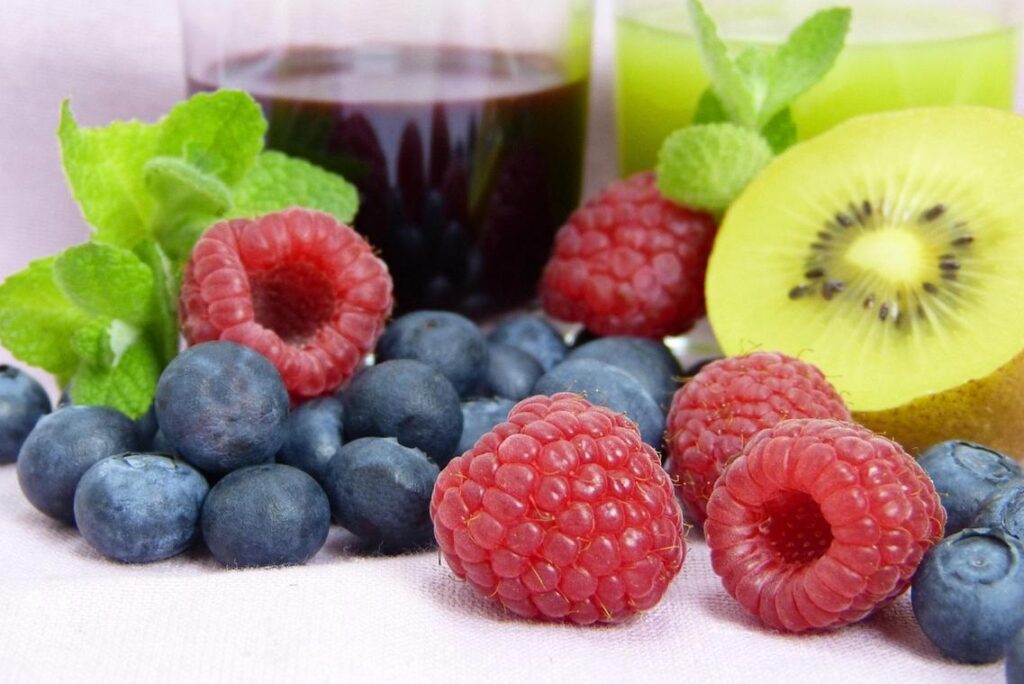
- Berries, especially blueberries and tart cherries. A study published in the Journal of the International Society of Sports Nutrition found tart cherry juice significantly reduced muscle pain after strenuous exercise.
- Dark leafy greens like spinach and kale, loaded with vitamins C and E.
- Dark chocolate (70% cacao or higher), rich in flavonoids that support recovery (yes, chocolate can be functional).
I started prioritizing anti inflammatory foods for muscle repair and noticed less lingering soreness after workouts. Was it magic? No. Consistency matters.
Some argue antioxidants blunt training adaptations. Research suggests moderate intake from whole foods supports recovery without impairing gains (NIH). Pair smart fueling with sleep and nutrition how diet impacts overnight recovery (https://theweeklyhealthiness.com.co/sleep-and-nutrition-how-diet-impacts-overnight-recovery/) to maximize results.
Pro tip: Focus on colorful plates—nature’s recovery code.
Beyond the Macros: Potent Compounds for Peak Recovery
Macros matter—but sometimes the real magic is in the micronutrients and bioactive compounds (plant chemicals that influence how your body heals). If you’re serious about recovery, focus on anti inflammatory foods for muscle repair that deliver targeted benefits.
-
Turmeric (Curcumin)
Curcumin is turmeric’s active compound, known for reducing inflammation and joint pain (Journal of Medicinal Food). Pro tip: always pair turmeric with black pepper. Piperine, the compound in pepper, increases curcumin absorption by up to 2,000% (Planta Medica). Stir both into a post-workout smoothie or golden milk latte. -
Ginger
Gingerols, its key compounds, help decrease exercise-induced muscle soreness (The Journal of Pain). Add fresh ginger to a recovery stir-fry or steep it in hot water for a calming tea that also supports digestion (because bloating after leg day is not the vibe). -
Pineapple (Bromelain)
Bromelain is an enzyme that may reduce swelling and bruising (Biotechnology Research International). Blend fresh pineapple into a protein shake for a sweet, functional boost. -
Hydration
Water transports nutrients to muscles and flushes metabolic waste. Aim for steady intake throughout the day—not just after workouts. Even mild dehydration can impair performance and delay recovery.
After my toughest leg day last spring, I realized recovery wasn’t optional—it was strategy. The core principle is simple: combine protein, smart carbohydrates, healthy fats, and phytonutrient-rich vegetables to create a synergistic effect that speeds repair and tames inflammation. In other words, use anti inflammatory foods for muscle repair and pair them wisely. Your goal is to minimize downtime and maximize gains through diet, not just grit.
- Grill salmon (protein and omega-3s).
- Add quinoa (carbs plus extra protein).
- Finish with steamed spinach and turmeric.
This week, will you add at least two recovery foods daily to meals?
Fuel Recovery and Come Back Stronger
You started this because sore muscles, slow recovery, and lingering inflammation were holding you back. Now you understand how strategic training, proper rest, and the right anti inflammatory foods for muscle repair can dramatically speed up healing and improve performance.
Ignoring recovery is what keeps most people stuck in cycles of fatigue and plateau. When inflammation isn’t managed, progress slows, motivation drops, and workouts feel harder than they should. But when you fuel your body with the right nutrients and recovery strategies, you bounce back faster, train harder, and see results sooner.
Your next move is simple: start building every meal around recovery-focused ingredients, prioritize sleep, and follow a structured post-workout nutrition plan this week. Don’t wait until burnout forces you to change.
If you’re ready to eliminate soreness, rebuild muscle efficiently, and feel stronger after every session, explore our proven wellness and recovery strategies trusted by thousands of performance-focused readers. Start today and give your body the support it needs to perform at its peak.
