If you’re searching for practical, sustainable ways to improve your health, you’re in the right place. This article is designed to cut through the noise and deliver clear, actionable wellness strategies you can actually apply to your daily routine. From smarter fitness programming and metabolic conditioning insights to realistic nutrition guidance and recovery techniques, we focus on what works in real life—not just in theory.
We’ve analyzed emerging research, consulted evidence-based fitness and nutrition frameworks, and studied what drives long-term results—not short bursts of motivation. You’ll also discover how lifestyle shifts, habit design, and even community wellness programs can amplify your progress and keep you accountable.
Whether your goal is better energy, improved strength, sustainable fat loss, or overall well-being, this guide aligns with your search for reliable, science-backed direction. Expect practical takeaways, simplified explanations, and strategies you can start using today to build lasting health from the inside out.
Three years ago, our local park was a graffiti-splashed, weed-choked shortcut. Today, it’s a buzzing garden, yoga lawn, and weekend farmers market. WHAT CHANGED? Not just gym discounts or diet apps, but neighbors reclaiming their environment. Many argue personal discipline is enough. Yet research from the CDC shows built environments strongly influence activity levels. After analyzing hundreds of successful programs, a pattern emerges: START LOCAL, BUILD TRUST, MEASURE IMPACT. Effective community wellness programs prioritize:
- Safe, shared spaces
- Fresh food access
- Free movement events. Skeptics say it’s slow. Maybe. But transformation that lasts happens overnight. This blueprint works.
The Social Fabric of Wellness: Why Community-Led Health Succeeds
Defining Social Determinants of Health
First, let’s clarify a key term: Social Determinants of Health are the everyday conditions that shape our well-being—where we live, how safe our streets are, whether fresh food is nearby, and if we feel connected to others. Research from the CDC shows these factors can influence health outcomes more than individual medical care or personal choices alone. In other words, jogging matters—but so does having a sidewalk to jog on.
The Power of Connection
However, some argue that health is purely a personal responsibility. Eat better. Move more. Problem solved. Yet studies published in PLOS Medicine link social isolation to higher mortality risk, comparable to smoking 15 cigarettes a day. That’s where group-based efforts shine. They:
- Increase accountability (it’s harder to skip a walk when neighbors are waiting)
- Reduce loneliness
- Provide emotional support during setbacks
- Reinforce healthy norms through shared habits
Over time, this collective momentum leads to better long-term outcomes than isolated willpower alone.
Case Study Spotlight
Consider a “neighborhood watch for wellness” initiative in a mid-sized city. Residents organized walking groups, shared garden harvests, and checked in on elderly neighbors. Within a year, participants reported lower stress and improved physical activity levels. This mirrors findings from community wellness programs nationwide, which consistently show improved mental and physical markers when people act together.
Actionable Insight
So, how health-friendly is your neighborhood? Ask:
- Are safe spaces for movement accessible?
- Is affordable, healthy food nearby?
- Do neighbors interact regularly?
- Are local groups promoting shared well-being?
If you answered “no” to several, that’s your starting point.
Fueling Change: Nutrition Initiatives That Build Health from the Ground Up
Food banks provide critical short-term relief. But critics argue they create dependency rather than lasting change. Research from Feeding America shows that while emergency food assistance reduces immediate hunger, it does not consistently improve long-term dietary quality (Feeding America, 2023). Sustainable solutions go further by building skills, access, and confidence.
Spotlight 1: Community Gardens
Community gardens do more than grow tomatoes. They cultivate metabolic resilience—the body’s ability to efficiently use and store energy. A 2017 study in the American Journal of Public Health found that participants in community gardening increased fruit and vegetable intake and reported improved mental well-being. Beyond produce, gardens provide:
- Light-to-moderate physical activity (which supports insulin sensitivity)
- Intergenerational learning and social cohesion
- Practical life skills in food cultivation
(Pro tip: Start small. A container garden with spinach, herbs, or cherry tomatoes on a balcony can meaningfully increase fresh food intake.) Even a few pots can shift habits away from ultra-processed snacks.
Spotlight 2: Community Kitchens & Cooking Classes
Access without knowledge is like owning a gym membership you never use. Community kitchens teach families to prepare affordable, whole-food meals. Programs highlighted by the CDC show that hands-on nutrition education improves diet quality and cooking confidence, particularly in low-income households.
These community wellness programs directly impact metabolic conditioning by reducing reliance on refined carbohydrates and packaged foods—key drivers of obesity and type 2 diabetes (CDC, 2022).
The result? Stronger blood sugar control, healthier body composition, and sustainable habits. It’s the difference between a quick fix and from burnout to balance a real life journey to holistic health: https://theweeklyhealthiness.com.co/from-burnout-to-balance-a-real-life-journey-to-holistic-health/
Movement as Medicine: Making Fitness Accessible for Everyone
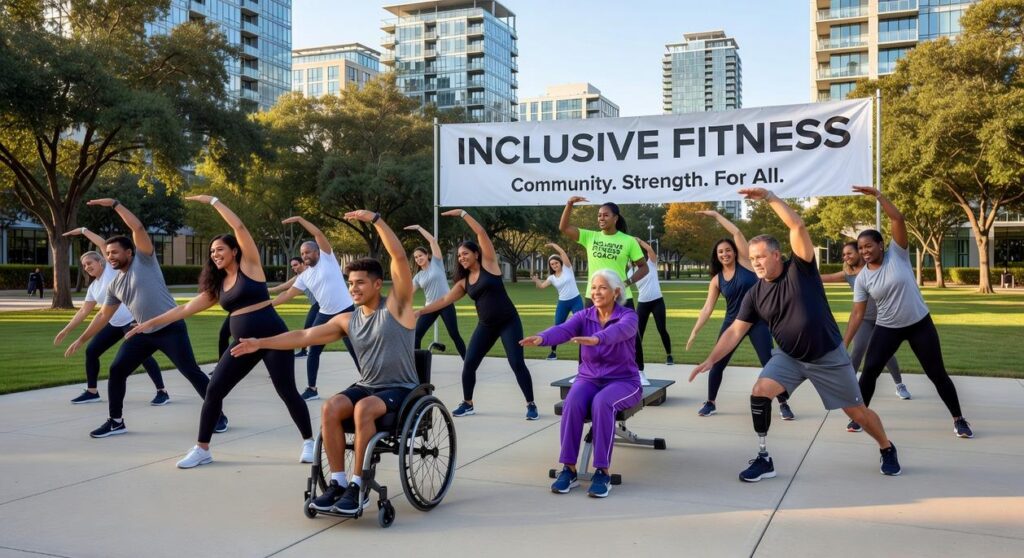
Fitness often gets packaged as boutique studios, pricey memberships, and intimidating gym floors. But let’s clarify something: movement is medicine. That phrase simply means regular physical activity prevents and manages chronic disease, boosts mood, and improves overall function (CDC, 2023). It doesn’t require a $200 monthly contract.
The real barriers tend to fall into three buckets: cost, intimidation, and access. Cost is obvious. Intimidation is the fear of not knowing what to do (we’ve all pretended to understand a machine’s settings). Access means lacking safe spaces to move. This is where community wellness programs can shift the equation by bringing low- or no-cost options directly to neighborhoods.
Spotlight 1: Free Outdoor Fitness Groups
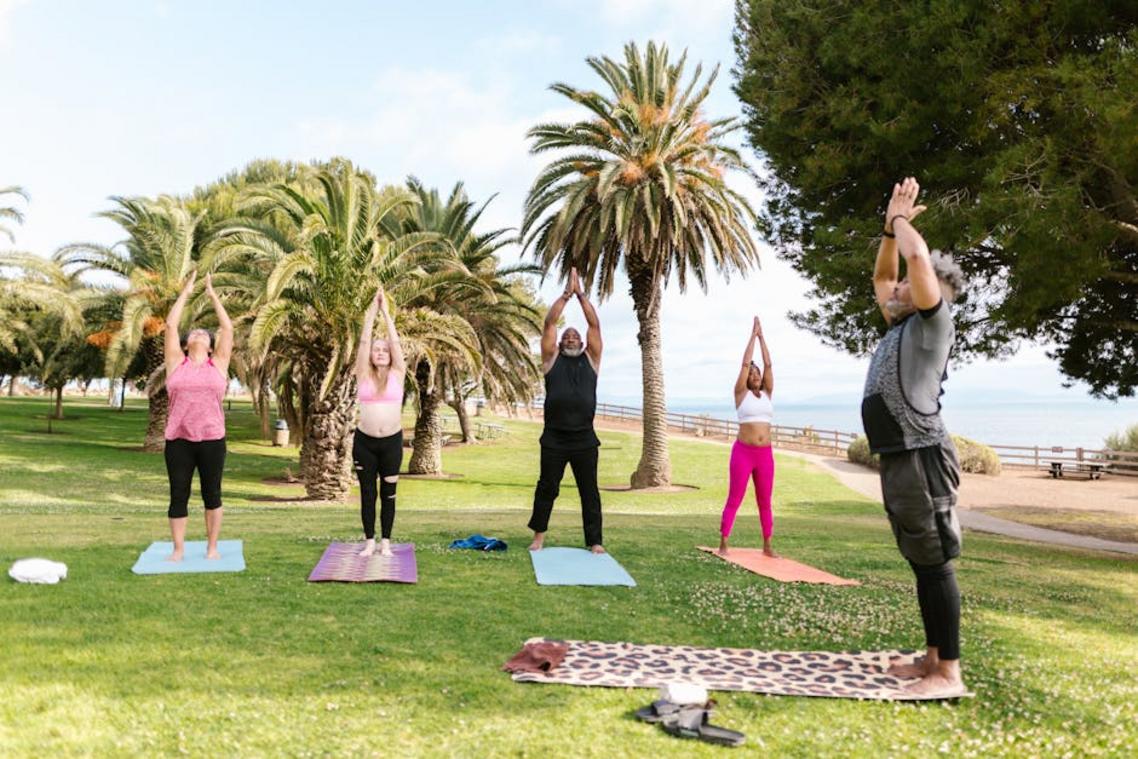
Walking clubs, park yoga, and outdoor bootcamps are surging in popularity. Why? They remove financial barriers and add social support. Exercising outdoors also supports mental health; research shows time in green spaces reduces stress and improves mood (American Psychological Association, 2020). In simple terms, fresh air plus friendly faces equals accountability without pressure. Think less “elite athlete,” more “group chat with sneakers.”
Spotlight 2: Active Design in Public Spaces
Active design means structuring environments so movement happens naturally. Examples include bike-friendly streets, well-lit walking trails, and public exercise stations. Instead of scheduling a workout, you encounter it on your commute. It’s fitness by default, not by willpower.
Daily Wellness Hack: Take a new walking route home and stop at a park bench for 10 squats and 10 incline push-ups. Small, repeatable actions compound over time (pro tip: consistency beats intensity). Movement doesn’t have to be extreme. It just has to happen.
Your First Step to Building a Healthier Community
Building a healthier community isn’t like constructing a skyscraper—it’s more like planting a garden. You don’t need a massive budget; you need good soil, steady care, and neighbors willing to water the seeds. Real change starts small and grows outward.
Individual wellness is a spark, but the community is the oxygen. When sidewalks are safe, fresh food is nearby, and neighbors move together, healthy habits spread like sunlight across a block. Research shows social support significantly increases long-term exercise adherence (American Journal of Preventive Medicine, 2019).
The most effective community wellness programs work because they are:
- Accessible and low-cost
- Social and built around a specific local need
Think of it like a potluck instead of a catered gala—everyone brings something, and everyone benefits.
This week, take one small step. Visit a community garden. Join a neighborhood walking group online. Or simply start a conversation about creating a healthier block. One seed. That’s all it takes.
Keep Your Wellness Momentum Going
You came here looking for practical, sustainable ways to improve your health—and now you have the tools to do it. From smarter nutrition choices and metabolic conditioning strategies to recovery techniques and daily wellness hacks, you’re better equipped to take control of your energy, strength, and long-term vitality.
But knowing what to do and actually doing it are two different challenges. Inconsistent routines, lack of support, and outdated fitness advice can quickly stall your progress. That’s why surrounding yourself with the right strategies—and the right people—matters.
Take action today. Start implementing one strategy from this guide, explore local and community wellness programs, and commit to tracking your progress this week. Thousands of health-focused readers rely on our proven wellness insights to stay consistent and see real results. Don’t let momentum fade—put what you’ve learned into practice and make your next healthy choice right now.

 There is a specific skill involved in explaining something clearly — one that is completely separate from actually knowing the subject. Armando Sparksnaverin has both. They has spent years working with nutrition and recovery approaches in a hands-on capacity, and an equal amount of time figuring out how to translate that experience into writing that people with different backgrounds can actually absorb and use.
Armando tends to approach complex subjects — Nutrition and Recovery Approaches, Daily Wellness Routine Hacks, Wellness Spotlight Stories being good examples — by starting with what the reader already knows, then building outward from there rather than dropping them in the deep end. It sounds like a small thing. In practice it makes a significant difference in whether someone finishes the article or abandons it halfway through. They is also good at knowing when to stop — a surprisingly underrated skill. Some writers bury useful information under so many caveats and qualifications that the point disappears. Armando knows where the point is and gets there without too many detours.
The practical effect of all this is that people who read Armando's work tend to come away actually capable of doing something with it. Not just vaguely informed — actually capable. For a writer working in nutrition and recovery approaches, that is probably the best possible outcome, and it's the standard Armando holds they's own work to.
There is a specific skill involved in explaining something clearly — one that is completely separate from actually knowing the subject. Armando Sparksnaverin has both. They has spent years working with nutrition and recovery approaches in a hands-on capacity, and an equal amount of time figuring out how to translate that experience into writing that people with different backgrounds can actually absorb and use.
Armando tends to approach complex subjects — Nutrition and Recovery Approaches, Daily Wellness Routine Hacks, Wellness Spotlight Stories being good examples — by starting with what the reader already knows, then building outward from there rather than dropping them in the deep end. It sounds like a small thing. In practice it makes a significant difference in whether someone finishes the article or abandons it halfway through. They is also good at knowing when to stop — a surprisingly underrated skill. Some writers bury useful information under so many caveats and qualifications that the point disappears. Armando knows where the point is and gets there without too many detours.
The practical effect of all this is that people who read Armando's work tend to come away actually capable of doing something with it. Not just vaguely informed — actually capable. For a writer working in nutrition and recovery approaches, that is probably the best possible outcome, and it's the standard Armando holds they's own work to.